
Trading Screen Time for Gym Time: The Healthy Swap Your Body Needs
In today’s digital world, many of us spend more time in front of screens than we realize. Between smartphones, laptops, TVs, and tablets, it’s easy to clock in 7–10 hours a day on screens—often without even noticing. While technology is essential for work and entertainment, too much screen time can lead to serious health issues like eye strain, poor posture, obesity, anxiety, and sleep problems.
The good news? You can make a simple yet powerful lifestyle change: trade screen time for gym time. By consciously shifting a portion of your daily scrolling, streaming, or gaming hours toward exercise, you’ll not only improve your physical health but also boost your mental well-being.
This article explores why making this swap is important, the health benefits you can expect, and practical ways to balance your tech use with fitness.
The Problem With Excessive Screen Time
📱 How Much Screen Time Is Too Much?
According to recent studies, the average adult spends over 6 hours daily on digital devices. Teens and young adults often exceed 9–11 hours.

Excessive screen time has been linked to:
- Sedentary lifestyle and weight gain
- Poor posture and back pain
- Increased stress and anxiety
- Reduced sleep quality due to blue light exposure
💡 Fact: The World Health Organization recommends limiting recreational screen time to less than 2 hours per day for children and encourages adults to keep it mindful.
Why Gym Time Is the Perfect Replacement
Swapping even 30–60 minutes of daily screen time with exercise can be life-changing.
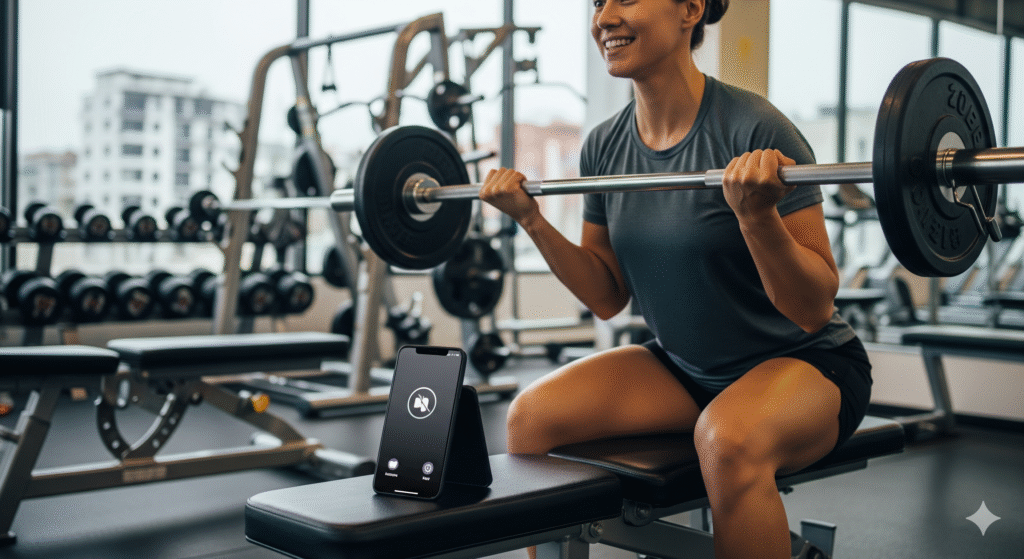
Benefits of Hitting the Gym Instead of the Screen
- Physical Health: Improves cardiovascular fitness, builds muscle, and boosts metabolism.
- Mental Health: Exercise releases endorphins that reduce stress, anxiety, and depression.
- Better Sleep: Evening workouts help regulate circadian rhythm.
- Social Interaction: Gym sessions encourage real-world connections.
- Productivity: Less screen distraction means more energy and focus.
Simple Steps to Trade Screen Time for Gym Time
1. Track Your Screen Time
Awareness is the first step. Most smartphones now have built-in screen time trackers. Check how many hours you’re spending on social media, video apps, or games.
- Identify your biggest “time wasters.”
- Decide which of those hours you’ll reallocate to exercise.
2. Schedule Gym Sessions Like Meetings
If it’s not scheduled, it doesn’t happen. Add your gym time to your calendar.
- Treat workouts as non-negotiable appointments.
- Choose a time when you’d normally be scrolling (like after work or late at night).
3. Use the “1-for-1” Rule
For every hour you spend on social media, commit to 1 hour of physical activity.
- Watched Netflix for 2 hours? Balance it with a 2-hour gym or outdoor workout during the week.
- This builds accountability and ensures balance.
4. Start With Small Swaps
You don’t need to cut all screen time at once.
- Replace 30 minutes of late-night scrolling with a quick gym session or home workout.
- Build gradually until fitness becomes part of your daily routine.
Insurance for Fitness Trainers: What’s Covered & What’s Not
5. Make Exercise Fun

You’re more likely to stick with gym time if you enjoy it.
- Try group classes like Zumba, CrossFit, or spin.
- Experiment with weightlifting, yoga, or boxing.
- Track progress with fitness apps (a healthy way to use screens).
6. Set Goals and Rewards
Motivation grows when you have clear targets.
- Aim for 150 minutes of moderate activity per week (WHO guidelines).
- Reward yourself (new workout gear, a healthy meal, or a movie night) when you stay consistent.
7. Create “No Screen Zones”
Limit tech distractions by designating certain times or spaces as screen-free.
- No phones in the bedroom after 9 PM.
- No social media during gym workouts.
- Replace scrolling breaks with stretching breaks.
The Science Behind the Swap
Research shows that physical activity directly counteracts the negative effects of excessive screen use.
- A Harvard study found that just 30 minutes of exercise daily lowers risk of premature death by 25%.
- Exercise improves brain function, memory, and concentration—helping undo the cognitive fatigue caused by constant scrolling.
👉 Bottom line: Gym time restores what screen time takes away.
Trading Screen Time for Gym Time: Real-Life Example
Let’s compare:
Scenario A – 3 Hours of Evening Screen Time
- Netflix binge + social media scrolling
- Feelings: Tired eyes, poor sleep, guilty about wasted time
Scenario B – 2 Hours Screen + 1 Hour Gym
- 2 hours entertainment, 1 hour workout
- Feelings: Energized, better mood, higher self-confidence, better sleep
A small adjustment makes a big difference.
Conclusion
Technology isn’t the enemy, but balance is key. By consciously trading screen time for gym time, you give yourself the gift of better health, stronger relationships, and a more productive lifestyle.
You don’t need to give up all digital entertainment—just make small swaps that put your health first. Over time, you’ll find that a workout feels far more rewarding than an extra hour of scrolling.
💪 Remember: The healthiest investment you can make is in yourself.
FAQs
1. How much screen time is unhealthy?
More than 6–7 hours daily is considered excessive and can harm physical and mental health.
2. How many hours should I spend in the gym weekly?
The World Health Organization recommends at least 150 minutes of moderate activity or 75 minutes of vigorous activity per week.
3. Can I balance screen time and fitness without cutting all tech use?
Yes. The goal is not to eliminate screens but to create balance by prioritizing physical activity.
4. What if I don’t like going to the gym?
Try alternatives like outdoor running, cycling, dancing, or home workouts. The key is consistent movement.
5. Can exercise really reduce stress caused by screen addiction?
Yes. Physical activity releases endorphins that reduce stress and improve mental well-being.
External Resources
- World Health Organization – Physical Activity Guidelines
- American Psychological Association – Technology & Well-being
- Harvard Health Publishing – The Benefits of Exercise
Suggested Images 📸
- A person switching off their phone and lacing up gym shoes (intro section).
- A side-by-side comparison of someone sitting with a phone vs. working out at the gym.
- A fitness class or group workout showing social benefits of gym time.
- A calendar with gym sessions marked (time management section).