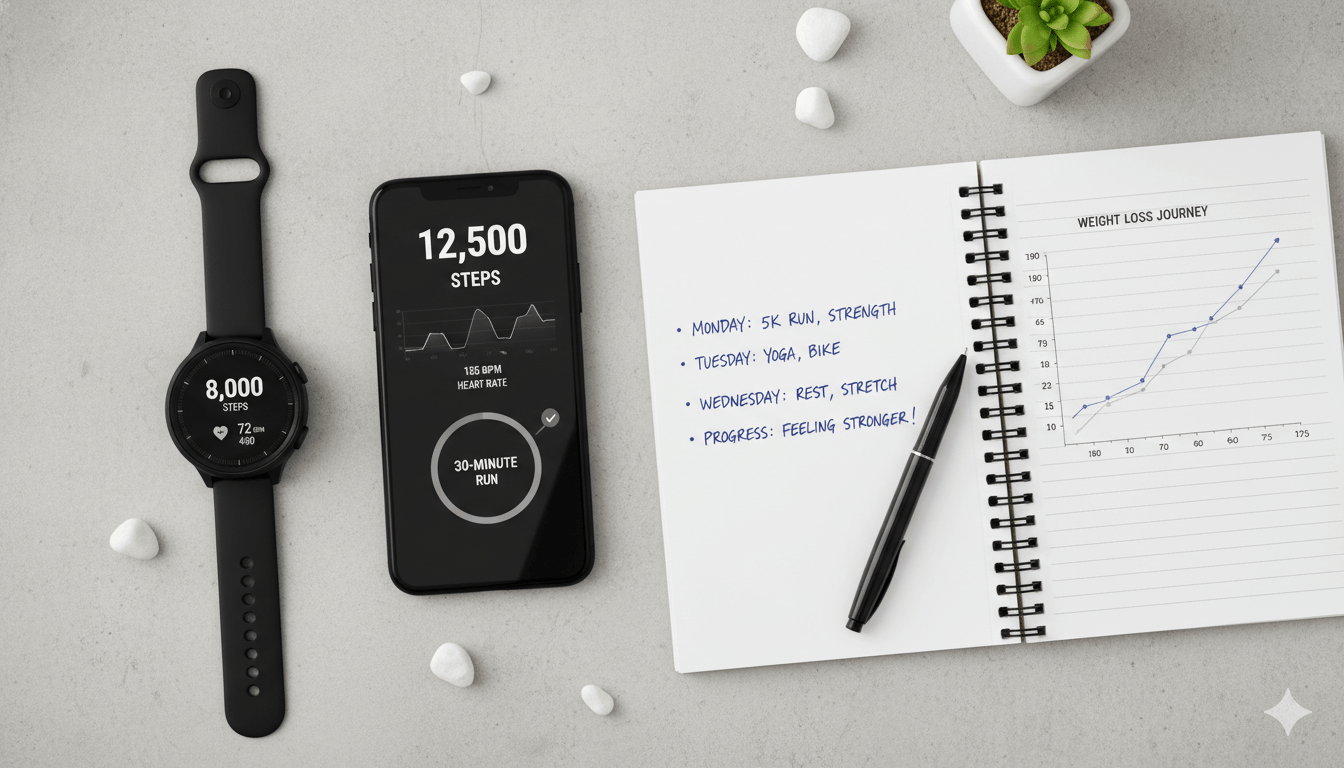
Best Fitness Software to Track Your Progress in 2025
Introduction
Tracking progress is the single best habit you can build if you want to get fitter, stronger, or healthier. In 2025 there are more good fitness apps and software than ever — from wearable-driven platforms that measure recovery and strain, to coach-focused software that helps trainers track dozens of clients. This guide explains the best fitness software available in 2025, who each tool is best for, what features to prioritize, and how to choose the right option for your goals. All advice is simple, practical, and aligned with trustworthy sources.
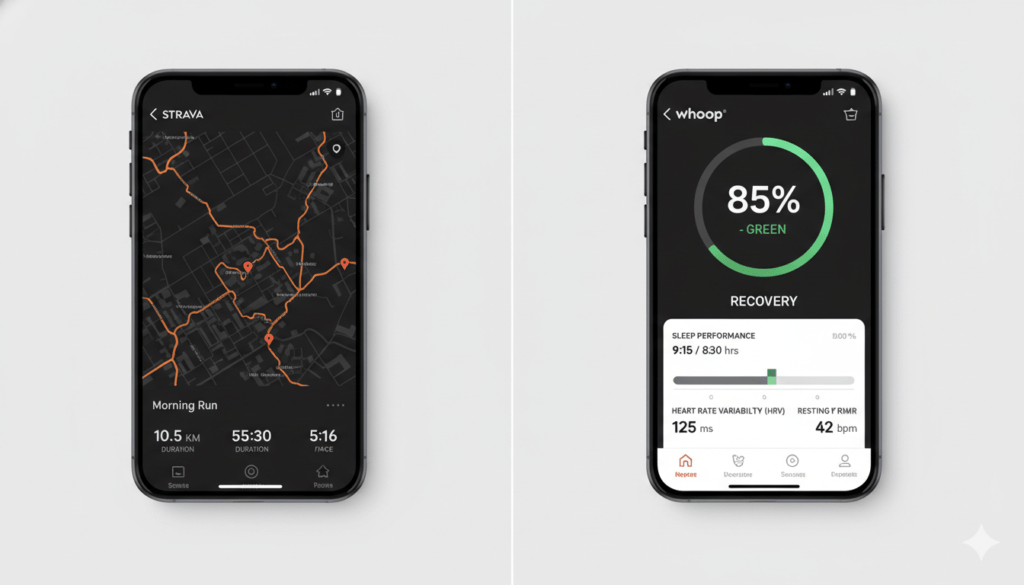
(Short summary of the most important picks up front: Strava for outdoor athletes, MyFitnessPal for nutrition tracking, WHOOP for recovery & strain, Trainerize / TrueCoach for coaches, and Fitbod / Strong / Apple Fitness+ for guided workouts and strength tracking.) (Strava Press)
Why fitness tracking software matters in 2025
Good tracking software helps you:
- Measure progress objectively (not just feelings).
- Stay consistent through reminders and planning.
- Adjust training or nutrition based on real data.
- Share reliable progress with a coach or physical therapist.
In 2025 many apps also use AI to suggest workouts, routes, or meal tweaks — letting you spend less time planning and more time training. Strava and other platforms keep improving route planning and anti-cheat tools to protect the quality of the community data. (The Verge)
How I picked the “best” apps
I prioritized tools that:
- Are actively supported and updated in 2024–2025.
- Provide clear, evidence-based metrics (e.g., strain, recovery, VO₂ estimates).
- Offer exportable data or coach-facing reports.
- Are beginner-friendly and follow privacy best practices.
Where available I used vendor pages and recent reviews for accuracy. (TrueCoach)
Best fitness software and who they’re for
1) Strava — Best for runners, cyclists, and outdoor athletes
Why it stands out: Strava combines GPS tracking, social motivation, and training analysis. In 2025 Strava continues to add AI route planning, improved mapping, and subscriber tools for training and competition. If you enjoy community-driven challenges and want powerful route and segment features, Strava is top choice. (Strava Press)
Best for: Runners, cyclists, hikers, and anyone who trains outside.
Key features: Live segments, route planning, performance summaries, community challenges, integrations with most GPS watches.
2) MyFitnessPal — Best for nutrition and habit tracking
Why it stands out: MyFitnessPal remains the go-to for calorie, macro, and habit tracking. In 2025 it continues to expand partnerships and premium features like meal planning and recipe syncs — making it strong for people who want combined food + activity tracking. (myfitnesspal.com)
Best for: Anyone who needs clear nutrition tracking alongside workouts.
Key features: Massive food database, barcode scanning, macros, meal plans, Apple/Google Fit syncs.
3) WHOOP — Best for recovery, strain, and sleep-driven training
Why it stands out: WHOOP is centered on 24/7 strain, recovery, and sleep analytics. Its membership model pairs wearable data with coaching recommendations so you can plan training load intelligently. WHOOP’s 2025 models and membership tiers keep expanding personalized insights (sleep, strain, hormonal insights). (WHOOP)
Best for: Athletes and serious trainees who want to optimize recovery and avoid overtraining.
Key features: Recovery score, strain tracking, sleep coaching, continuous HR, wearable with multi-day battery.
4) Trainerize & TrueCoach — Best for coaches and client tracking
Why they stand out: Trainerize and TrueCoach provide coach-centric platforms to assign workouts, track client adherence, and collect performance data. Trainerize offers more marketing and payment tools; TrueCoach is lean, trainer-focused and popular with independent coaches. Both help coaches scale and keep accurate progress histories. (Software Advice)
Best for: Personal trainers, online coaches, small studios.
Key features: Client dashboards, progress photos, workout builders, messaging, billing integrations.
Medical Coding Jobs in the Health And Fitness Industry: Opportunities, Skills & Career Guide (2025)
5) Fitbod, Strong, and Apple Fitness+ — Best for guided strength training
Why they stand out:
- Fitbod uses your logged lifts and available equipment to create adaptive strength sessions.
- Strong is excellent for simple, fast logging and progress tracking.
- Apple Fitness+ integrates with Apple Watch to offer studio-style workouts and metrics on screen. (Zapier)
Best for: Strength trainees who want structured programming or quick tracking.
Key features: Adaptive sets, rep targets, rest timers, history-based progression.
6) Cronometer & other data-focused tools — Best for precise nutrition & biomarkers
Why it stands out: Cronometer focuses on micronutrients and integrates lab/blood data for people tracking nutrition in detail (e.g., athletes, clinicians). Use this if you need advanced nutrient tracking, not just calories.
Best for: Nutrition-focused athletes, people tracking deficiencies, clinicians.
Features to prioritize when you choose fitness software
- Accurate data capture — GPS, HR, and weight inputs should be reliable.
- Coach or exportable reports — export CSV/TCX/GPX for deeper analysis or sharing.
- Privacy & data controls — can you delete or export your data? Does the company publish a privacy policy?
- Interoperability — connects with watches, gym equipment, nutrition apps, and coaches.
- Actionable insights — not just numbers, but clear recommendations (e.g., reduce strain today).
- Ease of use — a steep learning curve reduces long-term adherence.
- Pricing model — free tier, premium features, or subscription + hardware (e.g., WHOOP).
How to build a tracking stack (combine apps for best results)
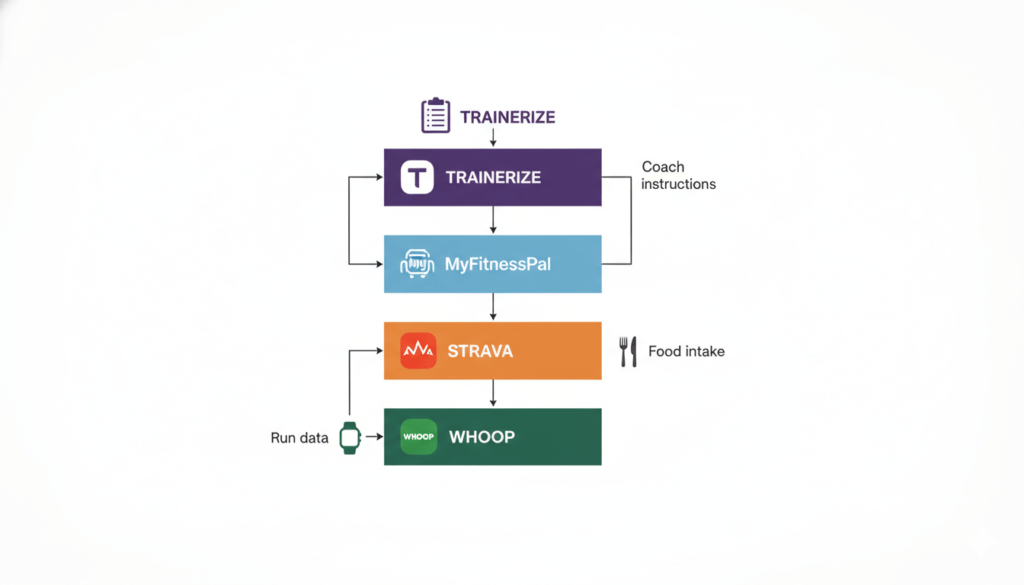
You don’t need one app to do everything. Here are three realistic stacks depending on needs.
Beginner stack (simple & free): Strava or Apple Health + MyFitnessPal for food + Strong for lifts.
Intermediate stack (performance focus): Strava + WHOOP + MyFitnessPal or Cronometer.
Coach / business stack: Trainerize or TrueCoach + MyFitnessPal (client tracking) + a video hosting tool for form checks. (TrueCoach)
Tips to get the most from tracking software
- Set 1–3 measurable goals (e.g., increase weekly running distance by 15%).
- Log consistently — the value of tracking comes from the trend, not single data points.
- Use integrations — sync your watch, phone, and nutrition app to reduce manual entry.
- Review weekly — once per week check trends and make small adjustments.
- Be kind to the data — if a device had a bad day (low HR accuracy), note it and move on.
Pricing snapshot (typical 2025 ranges)
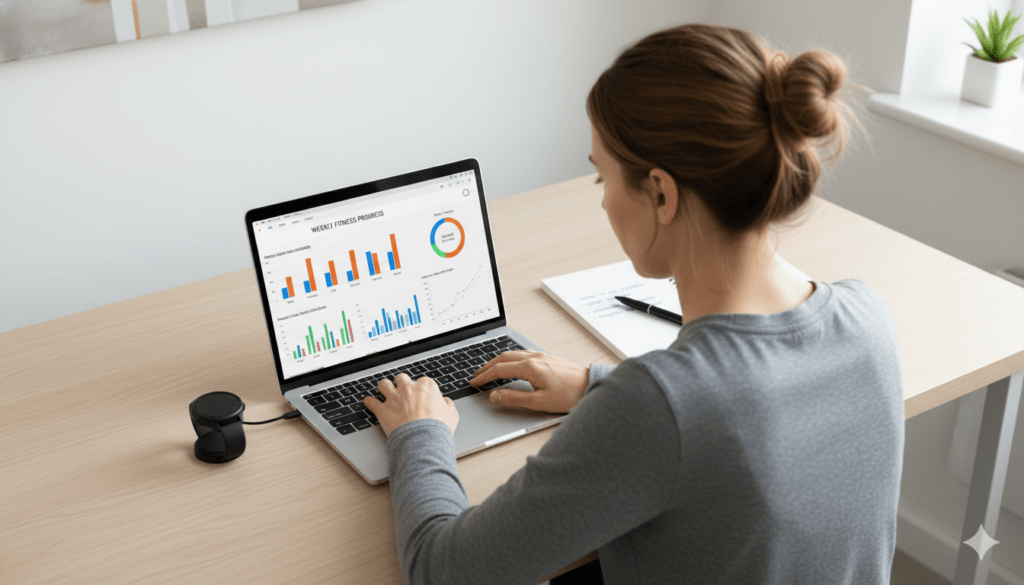
- Free apps: Basic logging (Strava free tier, Strong free tier).
- Premium subscriptions: $5–$15/month for single apps (MyFitnessPal Premium, Fitbod). (myfitnesspal.com)
- Hardware + membership: WHOOP (device + membership model) — membership pricing varies by tier. (WHOOP)
- Coach platforms: Trainerize/TrueCoach charge coaches per-client or monthly plans; costs vary by plan and scale. (Software Advice)
FAQs
Q1 — What’s the best single app if I only pick one?
If you want one app: choose based on your main priority. For outdoor training pick Strava; for nutrition pick MyFitnessPal; for recovery pick WHOOP.
Q2 — Are paid subscriptions worth it?
Yes, for most serious users the premium features (detailed trends, planning, AI suggestions) are worth the cost. But test the free tier first.
Q3 — Can coaches use client data from these apps?
Yes — many platforms allow data sharing or coach-facing tools (Trainerize, TrueCoach). Always get explicit client consent and follow privacy rules.
Q4 — Which app is best for strength gains?
Fitbod or Strong are focused on strength programming and progression tracking.
Q5 — Are these tools safe with my health data?
Most reputable apps publish privacy policies and allow exports/deletions. Check the vendor’s privacy page before committing. WHOOP, Strava, and MyFitnessPal have active privacy docs and membership terms. (WHOOP)
Trusted resources & further reading (2025)
- Strava press & updates (product news and features). (Strava Press)
- WHOOP membership & features. (WHOOP)
- MyFitnessPal Premium details and partnerships. (myfitnesspal.com)
- Zapier’s roundup of best fitness apps (useful comparison). (Zapier)
- Trainerize vs TrueCoach platform comparison pages. (Software Advice)
(These links point to official product pages and reputable roundup reviews for up-to-date feature details.)
Final thoughts
There’s no single “perfect” fitness app in 2025 — only the right tool for your goals. Novice lifters, data-driven athletes, and coaches each need different features: community & routes for runners, nutrition depth for dieting, recovery insights for high-load athletes, and client management for professionals. Start with your top priority, test a free tier for 2–4 weeks, and build a small stack of complementary apps. Track consistently, review weekly, and let data inform small, sustainable changes.