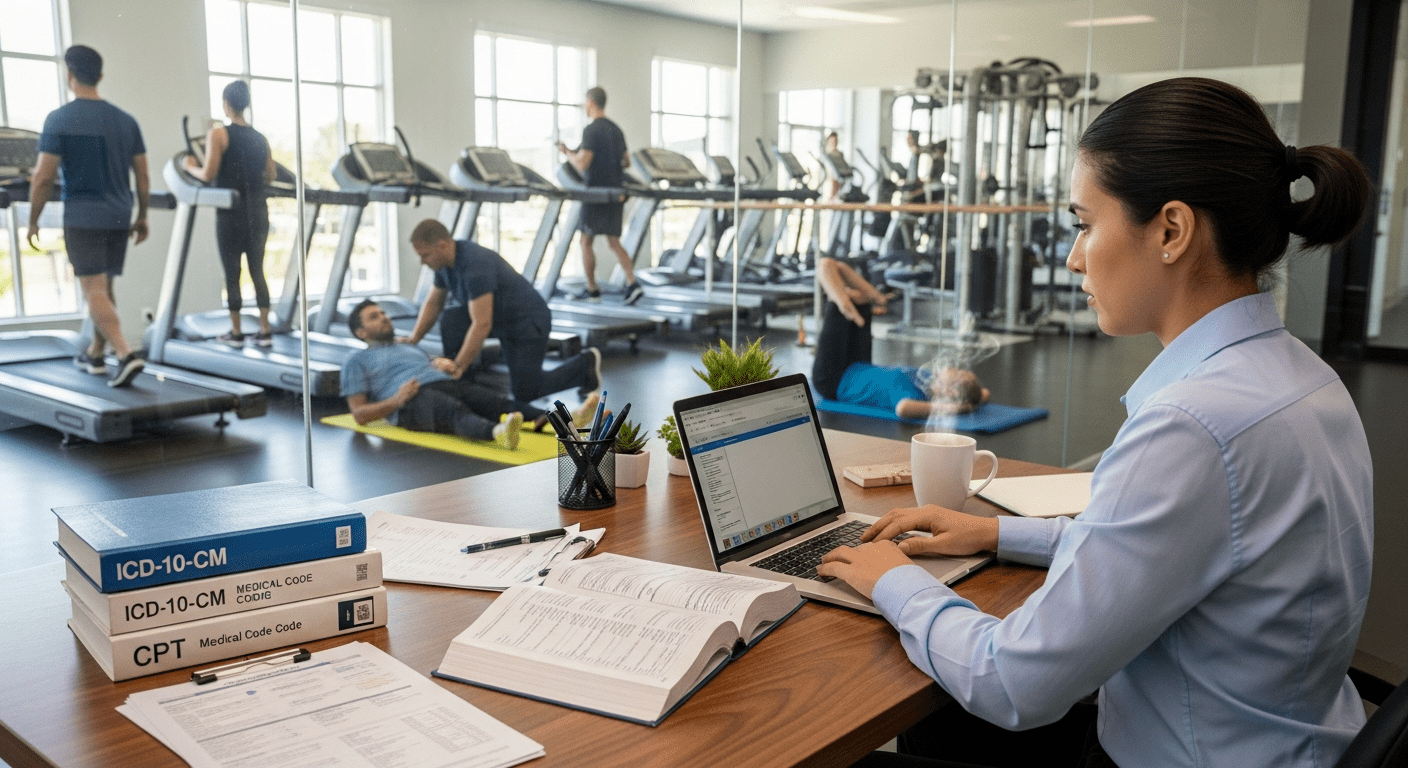
Medical Coding Jobs in the Health And Fitness Industry: A Complete Career Guide
Medical coding is one of the fastest-growing remote-friendly careers in the healthcare sector. As more organizations adopt digital systems, accurate documentation has become essential. While most people associate medical coding with hospitals and clinics, the reality is that coding professionals are increasingly in demand in the health, fitness, rehabilitation, and wellness industries too.
From rehab centers and sports clinics to corporate wellness programs and fitness-based healthcare startups — the need for certified medical coders is expanding.
If you’re interested in a healthcare career that offers stability, flexibility, and long-term growth, medical coding within the fitness and wellness sector can be an exciting path.
This complete guide explains what medical coding is, why it’s needed in the fitness industry, the types of jobs available, required skills, salary expectations, and how to get started.
What Is Medical Coding? (Simple Explanation)

Medical coding is the process of converting healthcare services, diagnoses, procedures, and equipment into standardized codes.
These codes come from systems such as:
- ICD-10-CM (diagnosis codes)
- CPT (procedure codes)
- HCPCS Level II (supplies & equipment codes)
Coders use these standardized codes to support:
- Billing
- Insurance claims
- Medical record accuracy
- Legal documentation
- Data analysis for healthcare organizations
Medical coding ensures that every service provided to a patient — whether at a hospital, physiotherapy center, or sports clinic — is correctly documented and billed.
Why the Health & Fitness Industry Needs Medical Coders
The health & fitness sector has evolved beyond gyms and personal training. Many fitness-related services now integrate medical, rehabilitation, and wellness care — and these require accurate coding for reimbursement and documentation.
Here’s why medical coders are becoming essential:
1. Growth of Medical-Fitness Centers
More gyms now offer:
- Physiotherapy
- Sports injury treatment
- Corrective exercise programs
- Chiropractic services
- Nutrition therapy
These services require proper coding for insurance claims and patient records.
2. Sports Medicine & Athletic Rehabilitation
Sports injury clinics, orthopedic rehab centers, and athletic performance labs rely on medical coders to document:
- Treatment plans
- Injury diagnoses
- Exercise-based rehabilitation procedures
- Follow-up visits
Accurate coding ensures the facility receives correct reimbursement.
3. Wellness and Preventive Healthcare Programs
Corporate wellness programs, health screenings, and biometric testing require coders to properly classify:
- Health assessments
- Lab reports
- Chronic disease prevention programs
Fitness-based wellness services are increasingly insurance-supported, creating more coding roles.
4. Telehealth & Virtual Fitness Healthcare
With more people using online physiotherapy, digital injury assessments, and virtual wellness programs, coders handle:
- Telehealth visit codes
- Remote physiotherapy sessions
- Chronic care management codes
Telehealth coding has become one of the fastest-growing specialties.
5. Insurance-Approved Fitness Services
In many countries, fitness-related services like:
- Medical weight-loss programs
- Diabetes management programs
- Post-surgery rehab
- Cardiovascular exercise prescription
are partially or fully covered by insurance.
Medical coders ensure all documentation is accurate for approval.
Types of Medical Coding Jobs in the Health & Fitness Industry
Medical coding roles vary widely depending on the type of health or fitness organization. Below are the major job categories available today.
1. Physical Therapy & Rehabilitation Coding
Physical therapy clinics frequently hire coders to document:
- Injury diagnoses
- Therapy sessions
- Corrective exercises
- Mobility evaluations
- Progress documentation
Common codes used: ICD-10, CPT “therapeutic procedure” codes.
2. Sports Medicine Facility Coding
Sports-related medical services involve coding for:
- Acute injuries
- Joint treatments
- Performance evaluations
- Post-operative rehab
- Athletic conditioning programs
Sports medicine is one of the highest-paying areas within fitness-related coding.
3. Chiropractic Office Coding
Chiropractors provide both manual therapy and exercise-based treatments.
Medical coders are needed to ensure compliance with insurance requirements and medical record accuracy.
4. Nutrition & Wellness Program Coding
Medical nutrition therapy (MNT), weight-loss clinics, and wellness centers offer:
- Diet counseling
- Chronic illness management
- Body composition assessments
Coders classify each service for insurance or record-keeping.
5. Corporate Wellness Program Coding
Large companies offering employee health services need coders for:
- Wellness screenings
- Preventive programs
- Fitness evaluations
This is a growing and stable niche.
6. Telehealth Fitness & Virtual Injury Assessment Coding
Digital health startups hire coders for:
- Online injury triage
- Virtual PT sessions
- Digital exercise prescriptions
The remote nature makes this a great opportunity for work-from-home coders.
7. Insurance-Based Fitness Therapy Programs
Many insurers approve fitness services when medically recommended.
Coders ensure accurate documentation for:
- Strength training
- Obesity treatment
- Cardiac rehabilitation
- Mobility improvement
- Post-natal fitness therapy
Skills Required for Medical Coding in the Fitness Industry

To excel, coders need a mix of technical and industry-specific skills.
1. Coding Knowledge (ICD-10, CPT, HCPCS)
Strong understanding of coding standards is mandatory.
2. Knowledge of Anatomy & Physiology
Especially musculoskeletal and sports-injury systems.
3. Understanding Rehabilitation & Fitness Terminology
Terms such as:
- Range of motion (ROM)
- Neuromuscular re-education
- Strength training protocols
- Mobility assessments
are used frequently.
4. Attention to Detail
A single incorrect code can delay payments or cause compliance issues.
5. Legal & Insurance Knowledge
Understanding regulations helps ensure accurate claim submissions.
6. Software Proficiency
Coders often use:
- EHR/EMR systems
- Billing platforms
- Practice management software
7. Communication Skills
Working closely with therapists, trainers, and physicians is common.
Salaries for Medical Coding Jobs in the Health & Fitness Industry
Salary varies by experience, certification, and job type.
Average Salary Ranges (Approximate):
- Entry-level coder: $35,000–$45,000
- Certified coder (1–3 years): $45,000–$60,000
- Senior coder or auditor: $60,000–$90,000
- Remote coding contractor: $25–$45 per hour
Fitness-integrated medical coding roles may earn slightly more due to specialized knowledge in rehab and sports medicine.
How Hosting a Fitness Website Can Attract More Clients (Complete Guide for Trainers & Coaches)
How to Start a Career in Medical Coding (Step-by-Step)
Here’s a simple roadmap:
Step 1: Complete a Medical Coding Course
Choose an accredited training program covering ICD-10, CPT, and HCPCS.
Popular certifying bodies:
- AAPC (Certified Professional Coder – CPC)
- AHIMA (CCS, CCA)
Step 2: Get Certified
Certification increases job prospects and salaries.
Step 3: Build Anatomy & Physiology Knowledge
Fitness-related coding involves musculoskeletal and rehab terminology.
Step 4: Develop Real-World Coding Experience
Look for internships or entry-level roles in:
- Physiotherapy centers
- Rehab clinics
- Chiropractic offices
- Wellness centers
Step 5: Apply for Fitness-Industry Coding Jobs
Search for job openings at:
- Sports clinics
- Rehabilitation centers
- Fitness-medical startups
- Corporate wellness programs
- Telehealth platforms
Step 6: Consider Remote Coding Roles
Many positions allow you to work from home full-time.

Challenges in Fitness-Based Medical Coding
Although rewarding, this niche also has challenges:
- Rapid updates in coding guidelines
- Miscommunication between fitness trainers & medical staff
- Complex documentation requirements
- Insurance companies questioning fitness-related claims
Staying updated and maintaining accuracy is crucial.
Benefits of Working in Medical Coding in the Fitness Industry
✔ Growing demand
✔ Remote-friendly roles
✔ Low stress compared to clinical healthcare
✔ Opportunities for specialization
✔ Stable and predictable income
✔ Ideal for people interested in fitness & healthcare
FAQs
1. Can medical coders work in gyms or fitness centers?
Yes, especially in medical-fitness centers offering physiotherapy, rehab, or wellness services.
2. Do fitness or sports clinics accept insurance?
Many do — especially for injury treatment, rehab, and chronic condition programs. Coders help process claims.
3. Do I need certification to work in fitness-related medical coding?
Certification (like CPC or CCS) is highly recommended and increases salary potential.
4. Can I work remotely as a medical coder?
Yes. Many sports clinics, PT centers, and fitness-based telehealth companies offer remote roles.
5. Is medical coding a good career for beginners?
Yes. It offers strong job security, flexible hours, and opportunities for growth.
External Resources (Safe & Reliable)
- AAPC – Medical Coding Certification
https://www.aapc.com/ - AHIMA – Coding Programs & Certifications
https://www.ahima.org/ - U.S. Bureau of Labor Statistics (Health Info Careers)
https://www.bls.gov/ - American Physical Therapy Association
https://www.apta.org/ - National Academy of Sports Medicine (NASM)
https://www.nasm.org/
Final Thoughts
The health and fitness industry is evolving rapidly — blending medical, wellness, and performance care. This shift has created significant demand for trained medical coders who can bridge the gap between fitness services and healthcare documentation.
If you enjoy both healthcare and fitness, medical coding in this niche offers:
- Strong job stability
- Remote work opportunities
- A meaningful role supporting patient care
- A growing number of specialized career paths
With the right certification and training, you can build a rewarding long-term career in this expanding field.