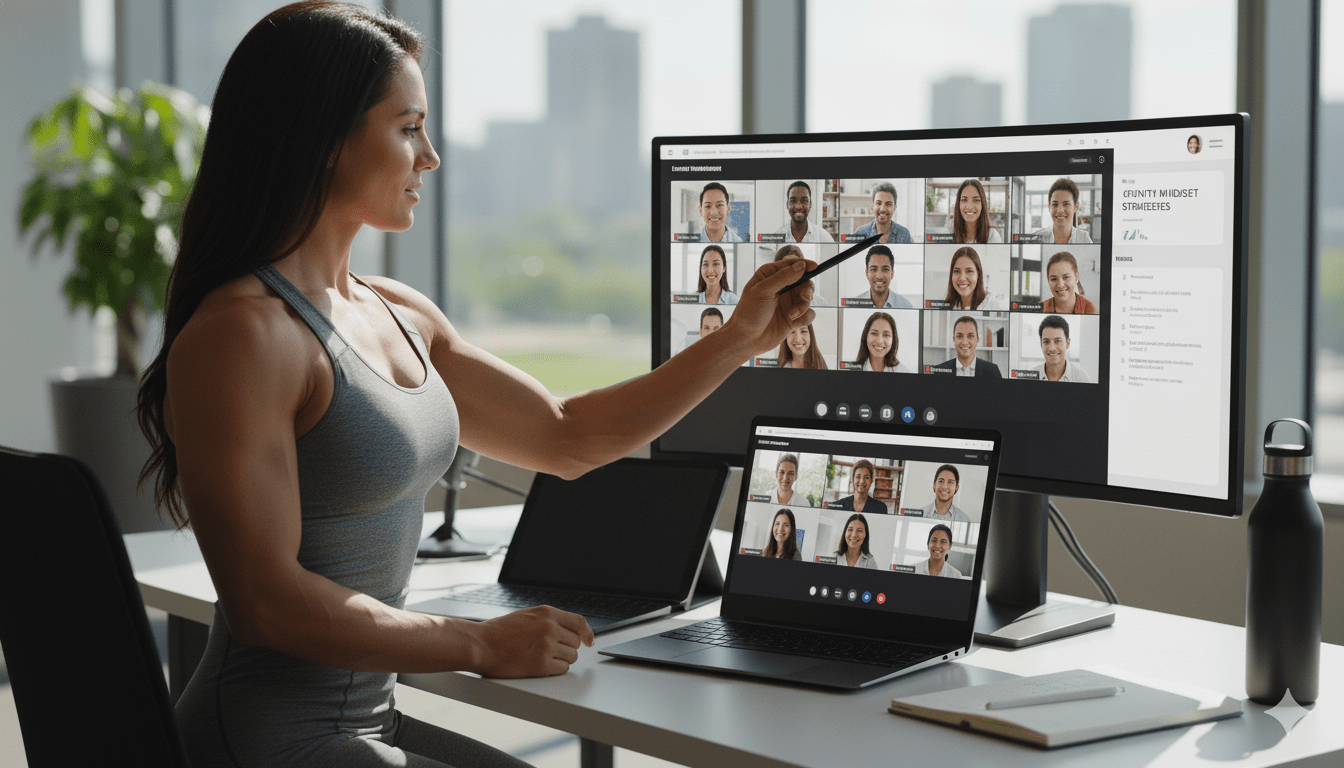
Using Online Platforms for Virtual Training & Coaching
Virtual training and online coaching have transformed the way individuals and businesses learn new skills, build habits, and achieve personal or professional goals. Thanks to technology, trainers and coaches can now reach people anywhere in the world — without office rent, travel costs, or scheduling barriers.
Whether you’re a personal coach, fitness trainer, business consultant, language tutor, or skill-based instructor, using online platforms gives you the tools to scale your expertise, boost income, and deliver high-value training experiences from the comfort of your home.
This guide explores the best online platforms, how to choose the right tools, the features to look for, income strategies, and expert tips to run a successful virtual coaching business.
Why Virtual Training & Coaching Is Growing So Fast

The global online coaching and e-learning industry is booming for several reasons:
1. Convenience for Both Trainers and Clients
No travel. No time wasted. Sessions can be done from anywhere — home, office, or even while traveling.
2. Massive Reach
Coaches are no longer limited by geography. You can work with clients globally, in any time zone.
3. Scalable Business Model
You can sell:
- 1-on-1 sessions
- Group coaching
- Recorded courses
- Membership programs
- Workshops and webinars
This allows multiple income streams from the same expertise.
4. Access to Advanced Tools
Platforms now offer:
- HD video calls
- Screen sharing
- Progress tracking
- Payment integration
- Online course hosting
- AI-assisted coaching tools
5. Lower Costs
No need for physical space, printing materials, or travel.
Best Online Platforms for Virtual Training & Coaching
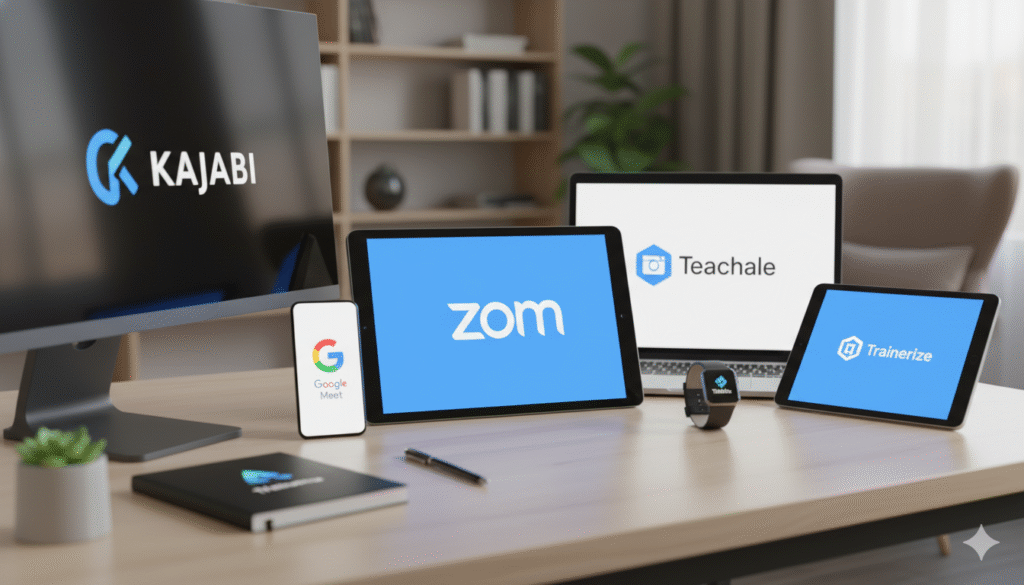
Below are the top platforms categorized by purpose. Choose based on your niche and style of coaching.
1. Zoom – Best for Live Video Coaching
Zoom is one of the most popular tools for virtual training because of its simplicity and stable video quality.
Key features:
- HD video calls
- Breakout rooms (for group coaching)
- Screen sharing
- Recording sessions
- Whiteboard tool
Best for: Business coaching, fitness coaching, language tutoring, team training.
2. Google Meet – Ideal for Beginners
Google Meet offers easy access, secure meetings, and no complicated setup.
Why it’s great:
- Free to use
- Easy for clients
- Works on any device
- Integrated with Google Calendar
Best for: Beginners, small groups, quick coaching check-ins.
Dental Implants and Nutrition: Best Foods to Eat, What to Avoid & Healing Tips
3. Microsoft Teams – For Corporate and Enterprise Coaching
Great for trainers working with companies or corporate teams.
Features:
- Large meeting capacity
- Document collaboration
- Integrated calendars
- Chat channels
4. Teachable – For Creating Online Courses
If you want to sell recorded lessons, Teachable is a strong all-in-one platform.
Benefits:
- Course hosting
- Sales pages
- Payment gateways
- Student progress reports
Best for: Skill-based training, personal development coaching, career coaching.
5. Kajabi – For Coaches Who Want Everything in One Place
Kajabi combines course hosting, email marketing, landing pages, and memberships.
Powerful tools include:
- Website builder
- Coaching program templates
- Sales funnels
- Automated emails
Best for: Full-time coaches building a branded online business.
6. Thinkific – Simplest Platform for Online Courses
Thinkific is clean, modern, and very easy to manage.
7. Trainerize – For Fitness Coaches
Trainerize is purpose-built for health and fitness trainers.
Features:
- Custom workout plans
- Progress tracking
- Meal plans
- Habit reminders
- Chat communication
8. Udemy – For Pre-recorded Courses
If you want instant access to millions of learners, Udemy is a great marketplace.
9. Patreon – For Membership Coaching
Great for creators offering monthly coaching, exclusive content, or community access.
10. WhatsApp / Telegram – For Communication-Based Coaching
These apps work well for daily accountability, habit coaching, or support groups.
Features to Look for in an Online Coaching Platform
Before choosing a platform, check for the features that matter most for your coaching style.
1. High-Quality Video & Audio
Clear communication is essential, especially for fitness, therapy, or language coaching.
2. Recording & Playback
Helpful for:
- Clients reviewing sessions
- Trainers offering bonus content
- Quality control for trainers
3. Scheduling & Calendar Sync
Look for:
- Automatic reminders
- Time-zone adjustment
- Rescheduling options
4. Payment Integration
Your platform should support:
- Credit/debit cards
- PayPal
- Subscriptions
- One-time payments
5. Progress Tracking Tools
For coaches, progress tracking boosts accountability and results.
6. Course Hosting (if needed)
Choose a platform that allows:
- Unlimited videos
- Quizzes
- Certificates
- Drip content
7. Mobile Support
Clients should be able to attend sessions even from their phone.
How to Build a Successful Virtual Coaching Business
Here is a clear, step-by-step method to launch and scale your online coaching brand.
Step 1: Choose Your Niche
Examples:
- Fitness training
- Life coaching
- Business coaching
- Parenting coaching
- Spiritual coaching
- Language coaching
- Financial coaching
A clear niche attracts the right clients.
Step 2: Choose the Right Platform
Use Zoom or Google Meet for live sessions.
Use Teachable, Thinkific, Kajabi, or Trainerize for program delivery.
Step 3: Create a Signature Program
A signature program builds authority and trust.
Your program should include:
- Clear steps
- Weekly sessions
- Resources
- Progress milestones
Step 4: Set Your Pricing
Common pricing models:
- Per session
- Monthly membership
- 6-week program
- 12-week transformation coaching
- Lifetime access
Step 5: Use Content Marketing
Share:
- YouTube videos
- Instagram reels
- Podcasts
- Short lessons
- Client success stories
This builds authority (EEAT).
Step 6: Use Automated Tools
Automate:
- Scheduling
- Email follow-ups
- Reminders
- Payment processing
Step 7: Collect Testimonials
Social proof is one of the most powerful trust builders for online coaching.

Benefits of Using Online Platforms for Coaching
1. Global Reach
Serve clients worldwide.
2. Flexible Schedule
Work anytime, anywhere.
3. More Affordable for Clients
Online programs cost less but deliver high value.
4. Lower Operational Costs
No rent, equipment, or travel needed.
5. Recordable Content
Recorded sessions can be repurposed into:
- Courses
- Workshops
- Bonus materials
Challenges of Virtual Coaching & How to Overcome Them
1. Technical Issues
Use reliable devices, strong internet, and backup tools (hotspot, second device).
2. Low Client Accountability
Use:
- Habit trackers
- Reminders
- Daily check-ins
- Small goals
3. Distractions at Home
Offer tips for setting up a dedicated learning space.
4. Building Trust Online
Use:
- Testimonials
- Case studies
- Clear communication
- Clean professional branding
FAQs
1. Which platform is best for beginners?
Google Meet or Zoom is the easiest for new online coaches.
2. Can I use multiple platforms at once?
Yes. Many coaches use Zoom for sessions and Teachable or Kajabi for content delivery.
3. How can I get more clients online?
Use content marketing, social media, referrals, and niche-specific SEO.
4. What equipment do I need for virtual coaching?
- High-quality webcam
- Good microphone
- Stable internet connection
- Lighting (optional but helpful)
5. What type of coaching works best online?
Almost all types:
- Fitness
- Language
- Career
- Life coaching
- Skill training
- Business consulting
External Resources (Trusted Sources)
- International Coaching Federation (ICF)
- HubSpot Remote Work Guide
- Harvard Business Review: Virtual Learning & Coaching
- Coursera Coach Training Resources
Final Thoughts
Online platforms provide endless opportunities for trainers and coaches who want to reach a global audience, deliver value, and build a scalable business. With the right tools and strategies, virtual coaching can be more effective — and more profitable — than traditional in-person sessions.