Real Estate Investments in Wellness-Focused Communities
The real estate market is experiencing a fascinating shift. More people are choosing where to live based not just on square footage or proximity to work, but on something deeper—their well-being. Wellness-focused communities are emerging as one of the most exciting investment opportunities in real estate today, combining the potential for strong returns with the growing demand for healthier lifestyles.
If you’re considering where to invest your money in real estate, wellness communities deserve your attention. Let me walk you through everything you need to know about this trend that’s reshaping how we think about property investment.
What Are Wellness-Focused Communities?
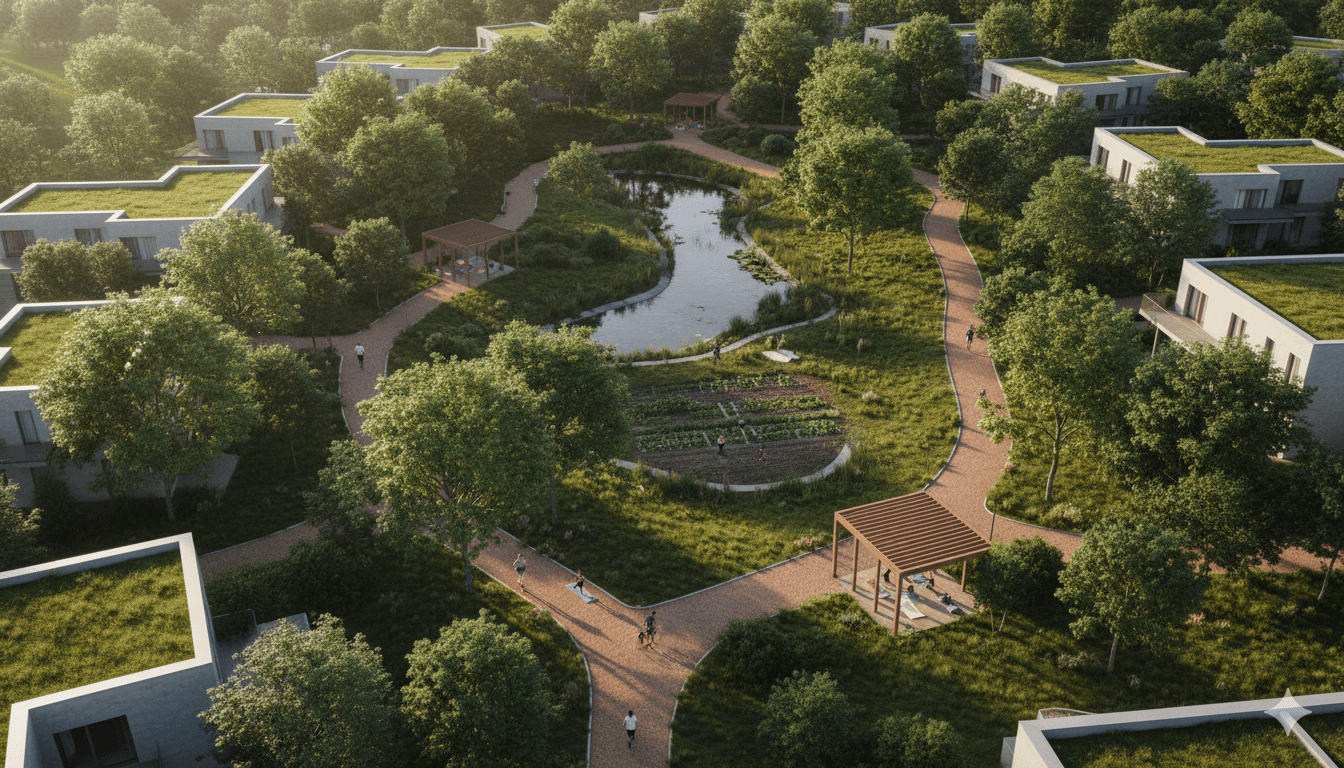
Wellness-focused communities are residential developments intentionally designed to promote the physical, mental, and social health of their residents. These aren’t just neighborhoods with a gym added as an afterthought. They’re thoughtfully planned environments where every element—from the layout of walking paths to the materials used in construction—supports a healthier way of living.
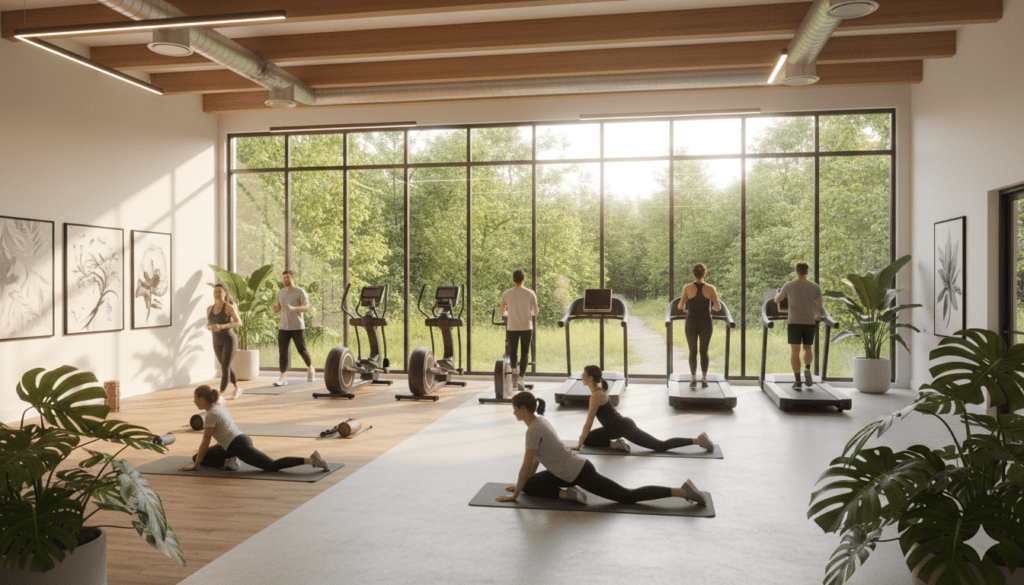
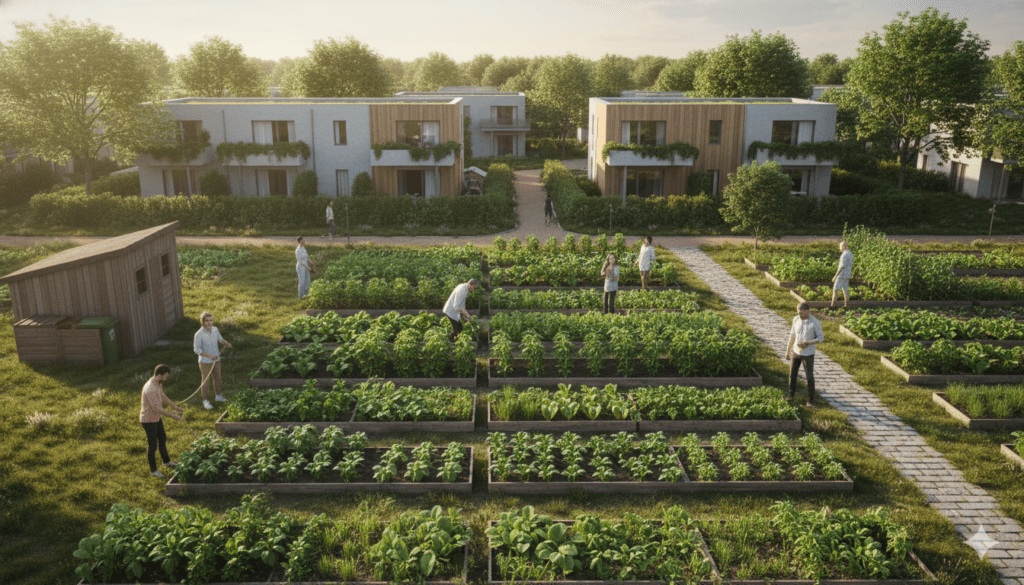
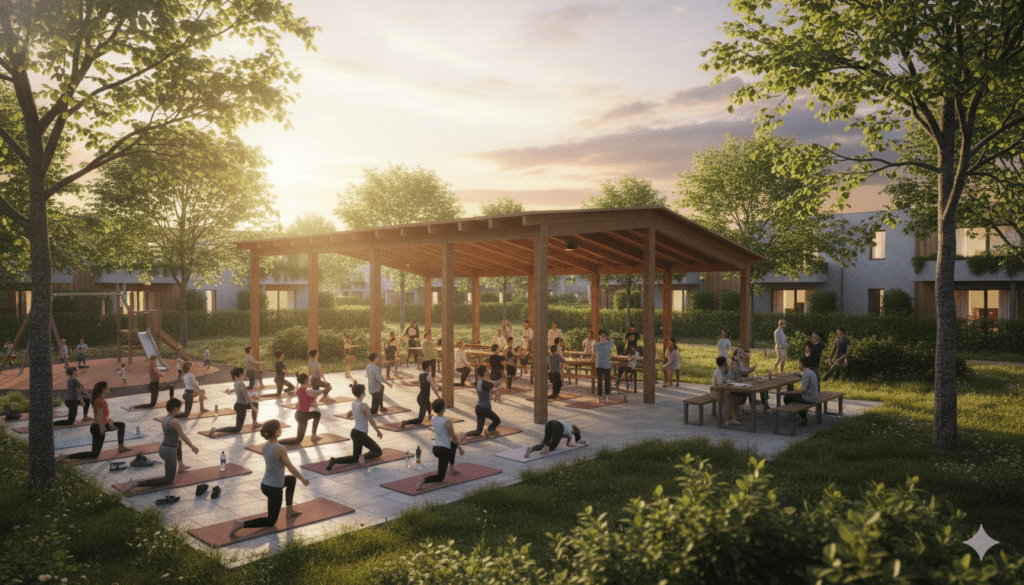
Think of communities with meditation gardens instead of just parking lots, organic community farms rather than empty lawns, and air filtration systems that actually make a difference. These spaces often include features like fitness centers with professional trainers, outdoor yoga pavilions, hiking and biking trails, healthy dining options, spa and wellness centers, and spaces specifically designed for social connection and community building.
Why Wellness Communities Are Gaining Momentum
The COVID-19 pandemic fundamentally changed how people view their homes. No longer just a place to sleep, homes became offices, gyms, schools, and sanctuaries all rolled into one. This shift created a lasting awareness of how our living environments affect our health and happiness.
Recent studies show that people are willing to pay a premium for homes that support their wellness goals. The Global Wellness Institute reports that the wellness real estate market is valued at over $275 billion and continues to grow rapidly. This isn’t a passing trend—it’s a fundamental shift in what people value.
Younger generations, particularly millennials and Gen Z, are driving this demand. These buyers prioritize experiences and health over material possessions. They’re looking for communities that align with their values around sustainability, mental health, and holistic well-being. As these demographics gain purchasing power, their preferences are reshaping the entire real estate landscape.
The Investment Case for Wellness Real Estate
From an investment perspective, wellness communities offer several compelling advantages that traditional real estate developments may lack.
Strong and Growing Demand: The wellness industry is one of the fastest-growing sectors globally. As more people prioritize health and well-being, demand for wellness-oriented housing will likely continue to rise. This creates a favorable supply-demand dynamic for investors who get in early.
Premium Pricing: Properties in wellness communities typically command higher prices than comparable homes in standard developments. Buyers recognize the value of the amenities and lifestyle these communities offer, and they’re willing to pay for it. This can translate to better initial returns for investors and stronger appreciation over time.
Resident Retention: People who choose wellness communities tend to stay longer. When residents feel genuinely connected to their neighborhood and their lifestyle is supported by their environment, they’re less likely to move. For rental property investors, this means lower turnover costs and more stable income streams.
Resilience During Economic Uncertainty: Health and well-being remain priorities even during economic downturns. While luxury items might be the first things people cut from their budgets, basic wellness needs—like safe, healthy housing—tend to be more resilient. This can provide some protection during market volatility.
Key Features That Define Successful Wellness Communities
Not all wellness communities are created equal. The most successful ones—and the best investment opportunities—tend to share certain characteristics.
Walkability and Connectivity: Well-designed pedestrian pathways that connect homes to amenities, parks, and gathering spaces encourage residents to walk rather than drive. This promotes both physical activity and social interaction.
Access to Nature: Integration with the natural environment is crucial. This might include preserved green spaces, water features, native landscaping, and protected wildlife habitats. Research consistently shows that access to nature reduces stress and improves mental health.
Healthy Building Materials: Forward-thinking developers use non-toxic, sustainable materials that improve indoor air quality and reduce environmental impact. Features like advanced HVAC systems with HEPA filtration, low-VOC paints, and natural materials are becoming standard.
Flexible Spaces: The best wellness communities include versatile areas that can serve multiple purposes—outdoor classrooms, community kitchens for cooking classes, multi-generational play areas, and quiet zones for meditation or reading.
Wellness Programming: Beyond just facilities, successful communities offer programs and activities. This might include fitness classes, nutrition workshops, mental health resources, social events, or partnerships with healthcare providers.
Types of Wellness-Focused Properties to Consider
Wellness real estate comes in various forms, each with different investment profiles and target markets.
Active Adult Communities: These developments cater to residents aged 55 and older who want to maintain active, healthy lifestyles. They often include golf courses, tennis courts, pools, and comprehensive wellness centers. With the aging baby boomer population, this segment offers strong demographic tailwinds.
Eco-Wellness Developments: These communities emphasize environmental sustainability alongside personal health. Features might include solar power, rainwater harvesting, organic gardens, and net-zero energy homes. They appeal to environmentally conscious buyers willing to pay premium prices.
Best Fitness Software to Track Your Progress in 2025: Apps, Tools & How to Pick the Right One
Urban Wellness Buildings: In cities, wellness real estate often takes the form of apartment or condo buildings with amenities like rooftop gardens, meditation rooms, fitness centers, and healthy dining options on-site. These appeal to young professionals who want wellness features without leaving urban centers.
Destination Wellness Communities: Some developments are located in particularly beautiful or healthful locations—mountain towns, coastal areas, or regions known for natural hot springs or therapeutic climates. These can serve as primary residences or second homes.
Important Considerations Before Investing
While the wellness community trend offers exciting opportunities, smart investors should consider several factors before committing capital.
Location Remains Critical: Even in a wellness community, traditional real estate fundamentals still matter. Look for developments in areas with strong job markets, good schools, and solid infrastructure. The best wellness features won’t overcome a poor location.
Developer Track Record: Research the development company thoroughly. Have they built wellness communities before? Do they have experience delivering on their promises? Look at their completed projects and talk to residents if possible.
Amenity Sustainability: Consider whether the wellness amenities are financially sustainable. Some developers build impressive facilities but don’t plan adequately for ongoing maintenance costs. This can lead to rising HOA fees or deteriorating amenities that hurt property values.
Market Depth: In some markets, wellness-focused buyers represent a niche segment. Consider whether the local market is large enough to support premium pricing. Urban and suburban areas near major cities typically offer deeper buyer pools.
Regulatory Environment: Some wellness features may face local regulations. For example, organic farms might have zoning considerations, or wellness centers might need specific permits. Understand the regulatory landscape before investing.
How to Get Started
If you’re ready to explore wellness community investments, here’s a practical approach to begin.
Start by researching developments in markets you know well or where you see strong growth potential. Many real estate platforms now filter properties by wellness features. You can also connect with real estate agents who specialize in wellness properties—they’ll have insider knowledge about upcoming developments.
Visit communities in person whenever possible. The experience of walking through these spaces, using the amenities, and talking to residents provides insights you can’t get from brochures or websites. Pay attention to how well-maintained the facilities are and how actively they’re being used.
Consider starting with a single property rather than multiple units. This allows you to learn the market, understand the unique aspects of wellness communities, and build experience before scaling up.
Network with other investors in this space. Join real estate investment groups, attend wellness real estate conferences, or participate in online forums. Learning from others’ experiences can help you avoid costly mistakes.
The Future of Wellness Real Estate
The trajectory for wellness-focused communities looks strong. Several trends suggest this sector will continue expanding.
Technology integration is becoming more sophisticated. Smart home features that monitor air quality, lighting that adjusts to circadian rhythms, and apps that connect residents to wellness programming are becoming standard. These technologies add value and appeal to tech-savvy buyers.
Mental health features are gaining attention. Developments are adding quiet zones, therapy gardens, and partnerships with mental health professionals. As society becomes more open about mental health, these features will likely become more valued.
Multi-generational living is influencing design. Communities are creating spaces that work for different age groups, allowing families to live near each other while maintaining independence. This broadens the market for wellness communities beyond any single demographic.
The workplace connection is growing. As remote and hybrid work continue, some wellness communities are adding coworking spaces, meeting rooms, and business centers. This blurs the line between residential and work environments in health-promoting ways.
Financial Projections and Returns
While past performance doesn’t guarantee future results, wellness communities have shown promising financial metrics. Properties in established wellness communities have appreciated 15-25% faster than comparable properties in traditional developments in some markets.
Rental yields can also be attractive. Wellness community rentals often command 10-20% higher rents than similar properties in conventional neighborhoods. Combined with lower turnover, this can significantly improve cash flow for rental property investors.
However, it’s crucial to run your own numbers based on specific properties and markets. Factor in higher upfront costs (wellness properties often cost more initially), HOA fees (which may be higher due to amenity maintenance), and potential holding periods (some markets may take longer to mature).
External Resources for Further Research
To deepen your knowledge about wellness real estate investing, consider exploring these valuable resources:
- Global Wellness Institute (globalwellnessinstitute.org) – Provides comprehensive research and reports on wellness real estate trends, market sizing, and industry forecasts.
- Urban Land Institute (uli.org) – Offers case studies and research on wellness-focused development, including financial performance data and best practices.
- International WELL Building Institute (wellcertified.com) – Learn about WELL certification standards for healthy buildings, which many wellness communities pursue.
- National Association of Realtors (nar.realtor) – Publishes regular market research including data on buyer preferences for wellness features and willingness to pay premiums.
Frequently Asked Questions
What’s the typical price premium for homes in wellness communities?
Homes in wellness-focused communities typically sell for 10-30% more than comparable properties in traditional developments, depending on the location and quality of amenities. The premium tends to be higher in affluent urban and suburban markets where buyers have more purchasing power and greater awareness of wellness concepts.
Are wellness communities only for wealthy buyers?
Not necessarily. While many wellness communities target upper-middle to high-income buyers, the market is diversifying. Some developers are creating more affordable wellness-focused housing by focusing on a few key features rather than extensive amenities. Additionally, apartment and condo developments in wellness buildings can be more accessible than single-family homes.
How do I verify a community’s wellness credentials?
Look for third-party certifications like WELL Building Standard, LEED certification, or Fitwel. Visit the community and use the amenities yourself. Talk to current residents about their experiences. Review the developer’s track record and ask for documentation about building materials, air quality systems, and other wellness features.
What are the ongoing costs of owning property in a wellness community?
HOA fees in wellness communities are typically higher than traditional developments because they cover maintenance of extensive amenities like fitness centers, pools, trails, and wellness programming. Expect HOA fees to be 20-50% higher on average. However, these costs should be weighed against the value residents receive and the potential for stronger property appreciation.
Can I invest in wellness communities through REITs?
Yes, several Real Estate Investment Trusts now focus on wellness-oriented properties, including senior wellness communities, wellness-focused apartment buildings, and mixed-use developments with strong wellness components. This can be a way to gain exposure to the sector without purchasing individual properties.
How long should I plan to hold a wellness community investment?
Like most real estate investments, a longer time horizon generally produces better results. Plan to hold for at least 5-7 years to allow the community to mature, build reputation, and benefit from appreciation. Wellness communities often gain value as they establish track records of resident satisfaction and as more buyers become aware of wellness real estate benefits.
What happens if wellness trends change?
Quality real estate with good locations, solid construction, and useful amenities retains value even if specific trends evolve. The fundamental features of wellness communities—green spaces, walking paths, community gathering areas, fitness facilities—have enduring appeal beyond any particular wellness trend. Focus on communities with versatile features rather than those built around a single wellness concept.
Conclusion
Real estate investments in wellness-focused communities represent more than just a financial opportunity—they’re a chance to participate in a meaningful shift in how we live. As people increasingly prioritize health, connection, and quality of life, communities designed to support these values will likely remain in strong demand.
The key to success is doing thorough research, understanding your local market, and choosing developments with strong fundamentals beyond just wellness features. Location, developer quality, and financial sustainability still matter enormously.
For investors willing to learn about this evolving sector, wellness communities offer a compelling combination of strong demographic trends, premium pricing potential, and the satisfaction of investing in properties that genuinely improve people’s lives. Whether you’re looking for your first investment property or diversifying an existing real estate portfolio, wellness-focused communities deserve serious consideration.
The future of real estate is healthy, connected, and community-oriented. By investing in wellness communities today, you’re not just buying property—you’re investing in a better way of living for yourself and others.